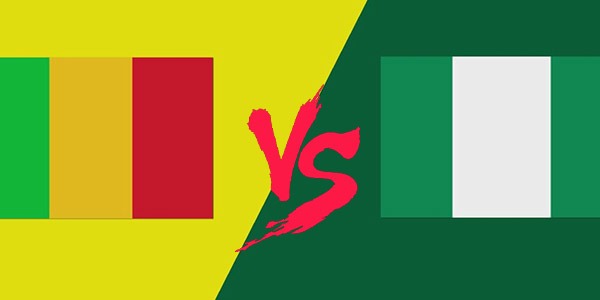
African football is vibrant, rich in passion and intense rivalries. Among the most electric duels, we undoubtedly find the one between the Super Eagles of Nigeria and the Eagles of Mali.
In 2001, during the African Cup of Nations, the two teams met in the semi-finals in an electric match. Nigeria, then three-time African champion, was considered the favorite. But Mali, led by a talented generation, created a surprise by winning 2-1. This historic victory marked a turning point in the rivalry between the two nations, and gave birth to a legend that continues to this day.
Nigeria and Mali are among the most successful nations on the African continent. Nigeria have won the Africa Cup of Nations three times (1980, 1994 and 2013), while Mali reached the final in 1972 and 2012. Both teams also have talented players in their ranks who play in the biggest European clubs. Nigerian stars include Victor Osimhen, Kelechi Iheanacho and Alex Iwobi. On the Malian side, we find players like Hamari Traoré, Yves Bissouma and Moussa Djenepo.
In this article, we will explore the origins and different dimensions of the rivalry between Nigeria and Mali. We will analyze the historical, sporting and socio-cultural factors which contribute to the intensity of this confrontation. Our goal is to understand what makes this match so special and why it continues to excite fans from both countries.
Historical origins of the rivalry
Nigeria and Mali share a complex common history dating back to colonial times. Both countries were under French rule and gained independence in the 1960s. This shared experience created a certain bond between the two nations, but it also gave rise to a rivalry for regional supremacy.
Politically, Nigeria and Mali have often had divergent positions on continental issues. This political rivalry is sometimes reflected in football matches, which become a ground for the expression of nationalism and national pride.
Sporting successes and regional supremacy
Nigeria and Mali are two of the most successful nations in African football. Nigeria has won the Africa Cup of Nations three times (1980, 1994 and 2013), while Mali reached the final in 1972 and 2012.
The two teams are also vying for dominance in West African football. Nigeria has won the West African Cup of Nations six times, while Mali has won it twice. This fight for regional supremacy fuels the rivalry between the two teams.
Memorable matches
Several memorable matches marked the rivalry between Nigeria and Mali. In 2001, during the African Cup of Nations, Mali beat Nigeria in the semi-finals 2-1. This historic victory allowed Mali to qualify for its first African Cup of Nations final.
In 2013, at the U-17 World Cup, Nigeria beat Mali 4-2 in the final. This match was marked by a hat-trick from Kelechi Iheanacho, who is today one of the most important players in the Nigeria national team.
Playing styles and football identity
Nigeria and Mali have contrasting traditional playing styles. Nigeria is known for its offensive and flamboyant football, while Mali is more renowned for its defensive and disciplined play.
These differences in playing style create a sporting tension which is often palpable during matches between the two teams. Nigerian fans expect their team to score goals and dominate the game, while Malian fans are proud of their team's defensive solidity and ability to defy the odds.
Sociocultural factors
Football is a passion shared by millions of people in Nigeria and Mali. The sport is an important part of the culture of both countries and is often used as a way to express national identity.
Supporters of both teams are known for their fervor and passion. They sing, dance and cheer for their team throughout the match. This electric atmosphere contributes to the intensity of the rivalry between Nigeria and Mali.
The media also plays an important role in intensifying the rivalry. Newspapers, radios and televisions in both countries devote extensive coverage to the matches between Nigeria and Mali. This media coverage helps make these matches important events that attract attention across Africa.
The rivalry between Nigeria and Mali is a historic, complex and passionate rivalry. It is fueled by historical, sporting, socio-cultural and political factors. This rivalry is a source of pride for supporters of both teams and helps make football such a popular sport in Africa.
Beyond the rivalry, there is mutual respect between Nigerian and Malian players and supporters. Both teams recognize each other's quality and know that every match will be an uphill battle. This sporting rivalry is also a factor of regional unity in West Africa. It allows the two countries to compete against each other in a positive context and to celebrate their common passion for football.
The rivalry between Nigeria and Mali is a historic, complex and passionate rivalry. It is fueled by historical, sporting, socio-cultural and political factors. This rivalry is a source of pride for supporters of both teams and helps make football such a popular sport in Africa.
Key points of the rivalry:
The common history of the two countries, marked by colonization and the struggle for independence.
The comparable record of the two teams at continental and international level.
The fight for supremacy in West African football.
The contrasting styles of play of the two teams.
The passion of supporters and the role of the media.
The future of the rivalry:
The rivalry between Nigeria and Mali is likely to continue for years to come. Both teams have talented players playing at the highest level and who are determined to make their country shine.
The evolution of the rivalry will largely depend on new generations of players. If players from both teams can maintain mutual respect and sportsmanship, the rivalry can continue to be a positive force for African football.
Positive reflection:
Football is a sport that can bring people together and unite nations. The rivalry between Nigeria and Mali is an example of this strength of football.
Despite the passion and intensity of the matches, fans of both teams recognize the quality of each other and know that each match will be an uphill battle. This sporting rivalry is a source of pride for both countries and helps make football such a special sport in Africa.