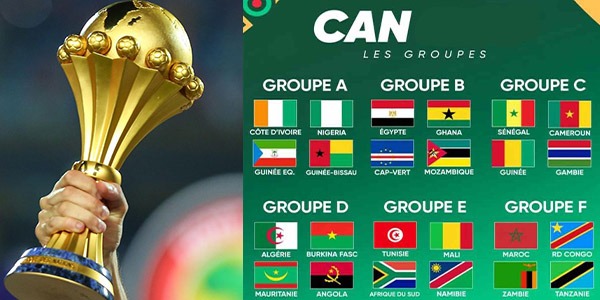
The African Cup of Nations (CAN) is one of the most important sporting competitions on the African continent. Created in 1957, it has experienced many historic moments which have marked its history and that of African football.
In this article, we'll look back at some of these most notable moments, starting with the beginnings of the CAN in the 1950s.
I. The beginnings of the CAN (1957-1970)
The African Cup of Nations (CAN) was created in 1957, under the leadership of Egyptian businessman Abdel Aziz Salem. This first edition, organized in Sudan, brought together three teams: Egypt, Sudan and Ethiopia. It was Egypt who won the inaugural trophy, beating Ethiopia in the final (4-2).
The 1960s were marked by the domination of Ghana, which won the CAN three times (1963, 1965 and 1968). This team, nicknamed the "Black Stars", was made up of talented players like Abedi Pele, Baba Yara and Osei Kofi.
The CAN also experienced expansion during this period, with the increase from 3 to 8 participating teams in 1968. New nations began to stand out, such as Cameroon, DR Congo and Ivory Coast.
Here are some notable moments from this period:
• 1957: The first edition of the CAN is organized in Sudan.
• 1963: Ghana wins its first CAN.
• 1965: Ghana retains its title of African champion.
• 1968: Ghana wins its third consecutive CAN.
• 1968: The CAN increases to 8 participating teams.
The CAN was still in its infancy, but it was already starting to take off and become an essential competition for African football fans.
II. The golden age of African football (1970-1990)
The 1970s and 1980s were the golden age of African football. Many great teams and great players marked this period, such as Cameroon, Nigeria, Algeria and Morocco. CAN also enjoyed great popularity during this period.
Here are some notable moments from this period:
• 1970: Cameroon wins its first CAN.
• 1972: Congo-Brazzaville wins the CAN to everyone's surprise.
• 1976: Morocco wins its first CAN.
• 1980: Nigeria wins its first CAN.
• 1982: Ghana wins its fourth CAN.
• 1984: Cameroon wins its second CAN.
• 1986: Egypt wins its third CAN.
• 1988: Cameroon wins its third CAN.
• 1990: Algeria wins its first CAN after a thrilling final against Nigeria.
During this period, African football experienced a real explosion of talent. Players like Roger Milla, Samuel Eto'o, Abedi Pele, Jay-Jay Okocha and Rabah Madjer have thrilled crowds and contributed to the popularization of African football around the world.
The CAN has become a true institution and an unmissable event for African football fans. The fervor and enthusiasm of the supporters were unique and gave the CAN a special atmosphere.
III. CAN in the modern era (1990-2023)
Since the 1990s, the CAN has become an even more professional and publicized competition. New teams emerged, such as Senegal, Ivory Coast and Tunisia. The CAN is today one of the most important continental competitions in the world.
Here are some notable moments from this period:
• 1992: Ivory Coast wins its first CAN.
• 1996: South Africa wins its first CAN.
• 1998: Egypt wins its fourth CAN.
• 2000: Cameroon wins its fourth CAN.
• 2002: Senegal wins its first CAN.
• 2004: Tunisia wins its first CAN.
• 2006: Egypt wins its fifth CAN.
• 2008: Egypt wins its sixth CAN.
• 2010: Algeria wins its second CAN.
• 2012: Zambia wins its first CAN.
• 2013: Nigeria wins its third CAN.
• 2015: Ivory Coast wins its second CAN.
• 2017: Cameroon wins its fifth CAN.
• 2019: Algeria wins its second consecutive CAN.
• 2021: Senegal wins its second CAN.
The CAN has undergone considerable evolution over the last few decades. The quality of the game has improved, infrastructure has modernized and media coverage has expanded. The CAN is today an essential competition for football fans around the world.
The future of the CAN is promising. The competition continues to grow and gain popularity. New African stars emerge every year and contribute to making African football an essential force on the international scene.
The African Cup of Nations has seen many historic moments that have marked its history and that of African football. From its humble beginnings in the 1950s to its current status as a major continental competition, the CAN has come a long way.
The CAN helped to highlight the talent of African players and to make African football known to the whole world. The competition also contributed to promoting the unity and development of the African continent.
The AFCON is a unique and exciting competition that continues to captivate the hearts of millions of football fans around the world. Her future is bright and she will undoubtedly continue to play an important role in the development of African football.
In addition to the historical moments mentioned in this article, there are many other important events that have marked the history of the CAN. Feel free to share your own memories and favorite CAN moments in the comments!
Here are some questions to fuel the discussion:
• What is your favorite moment in CAN history?
• Who is your favorite CAN team?
• Who is the African player you admire the most?
• In your opinion, what is the future of the CAN?
I look forward to reading your comments!
Bonus: CAN 2024: Confirmation time for Ivory Coast
The next edition of the African Cup of Nations will be held in Ivory Coast from June 23 to July 23, 2024. The Elephants, winners of the last edition in 2023, will be the big favorites for the competition.
The Ivorian team has experienced a renaissance in recent years. Led by a golden generation of players like Nicolas Pépé, Sébastien Haller and Wilfried Zaha, Côte d'Ivoire has enough to make the best teams on the continent tremble.
The organizing country will also be keen to thrill its supporters. CAN 2024 will be an opportunity for Côte d'Ivoire to show the whole world its know-how in organizing large-scale sporting events.
Here are some points to watch out for during CAN 2024:
• The confirmation of Ivory Coast: Will the Elephants be able to confirm their status as African champions?
• The emergence of new teams: Senegal, Algeria and Nigeria will be looking for a new coronation.
• The show and the atmosphere: The CAN is always a festive and vibrant competition. The 2024 edition should be no exception to the rule.
CAN 2024 promises to be a particularly promising edition. Africa's football meets in Ivory Coast for a month of celebration and passion.
Don’t hesitate to share your predictions for CAN 2024 in the comments!