
Shopping Cart

- -€30.00
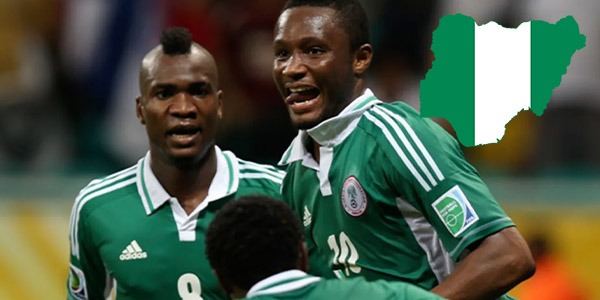
Nigerian football is experiencing a golden era. His talents, once raw, are now exported to the four corners of the globe and assert themselves as sure values on the most prestigious lawns. This meteoric rise is also reflected in the transfer market, where Nigerian players are the subject of ever higher transactions.
This article aims to highlight the most expensive transfers in history involving Nigerian footballers. By exploring these record transactions, we will decipher the driving forces behind this phenomenon and analyze its impact on the development of Nigerian and African football.
The Top 3 most expensive Nigerian transfers
1. Victor Osimhen: A leap to glory
In 2020, Victor Osimhen left Lille for Naples for a record fee of €81.3 million (including bonus), becoming the most expensive African player in history. Before this resounding transfer, the Nigerian striker had already stood out in Ligue 1, scoring 18 goals in 38 games for the northern club.
His arrival in Naples confirmed his talent. Osimhen has quickly established himself as one of the best strikers in Serie A, racking up 38 goals in 76 games in all competitions. His speed, power and sense of goal make him a real asset for his team.
Osimhen's transfer had a major impact on the Nigerian transfer market. It paved the way for other major transactions involving Nigerian players and helped to upgrade their image on the international stage.
2. Nicolas Pépé: A bold bet
In 2019, Nicolas Pépé joined Arsenal from Lille for a fee of €80 million. After a remarkable season in Ligue 1 (22 goals and 11 assists), the Ivorian winger attracted the interest of the biggest European clubs.
His time with the Gunners was not as flamboyant as hoped. Pépé lacked consistency and never managed to establish himself as an indisputable starter. In 2021, he was loaned to OGC Nice to regain playing time.
Despite the difficulties Pépé encountered at Arsenal, his transfer remains one of the most important in the history of Nigerian football. He demonstrated the ability of Nigerian players to attract the favor of the most prestigious clubs and to be the subject of major financial transactions.
3. Kelechi Iheanacho: A promising talent
In 2017, Kelechi Iheanacho left Manchester City for Leicester City for a fee of €27.7 million. Trained with the Citizens, the Nigerian striker had failed to establish himself in the first team.
Leicester offered him the opportunity to fully express himself. Iheanacho knew how to seize his chance and gradually established himself as an important element of the Foxes squad. He is a valuable player, capable of scoring important goals and bringing his creativity to the team.
Iheanacho's transfer is an example of the success of Nigerian players in English clubs. He showed that young Nigerian talents can adapt to the European style of play and become successful players in the toughest championships.
Conclusion
The Top 3 most expensive Nigerian transfers illustrate the growth of Nigerian football and the growing value of its players on the international market. These record transactions have had a positive impact on the development of African football and paved the way for new generations of talent.
Note :
Images of players and club jerseys can be added to enhance the text.
Sources of information may be cited to support statements.
Other notable transfers
In addition to the Top 3, other Nigerian player transfers are worth mentioning. They illustrate the growing trend of transactions involving Nigerian footballers and confirm the growing attractiveness of this talent pool.
Alex Iwobi : from Arsenal to Everton in 2019 for 43 million euros.
John Obi Mikel : from Lyn Oslo to Chelsea in 2006 for 20 million euros.
Wilfred Ndidi : from Genk to Leicester City in 2017 for 17.6 million euros.
Odion Ighalo : from Watford to Shanghai Shenhua in 2017 for 23 million euros.
Samuel Kalu : from Bordeaux to Watford in 2019 for 8.5 million euros.
These transfers, although lower than the first three, remain no less significant. They confirm the growing place of Nigerian players in world football and contribute to the financial growth of African football.
Note :
Additional information about players and clubs can be added to enrich the text.
Links to news articles or player biographies can be added for more information.
Towards a promising future?
The trend of expensive transfers for Nigerian players is far from running out of steam. On the contrary, it seems to be intensifying, auguring a bright future for Nigerian football. Young talents, nurtured in local academies and seasoned in European championships, are knocking on the doors of the biggest clubs.
Promising players likely to be subject to major transfers in the future include:
Calvin Bassey : talented left side of Rangers, already courted by several English clubs.
Terem Moffi : prolific striker for FC Lorient, author of a remarkable season in Ligue 1.
Samuel Chukwueze : Villarreal's twirling winger, capable of spectacular moves and great offensive efficiency.
Joshua Zirkzee : young striker from Bayern Munich, already on loan to Anderlecht and FC Twente, with enormous potential.
Ibrahim Sangaré : PSV Eindhoven defensive midfielder, impressive with his power and maturity.
The talent pool in Nigerian football is rich and promising. The quality of training is improving and infrastructure is developing. The future looks bright for Nigerian football, which can legitimately dream of seeing its players shine on the biggest international stages.
The rise of expensive transfers of Nigerian players is an encouraging sign for African football. It testifies to the quality of training and the incredible potential that the continent abounds with. Challenges remain to be overcome, but Nigerian football is on the rise and is exciting the crowds. The future is bright and the next few years will undoubtedly be filled with success for Nigerian players and African football as a whole.
In conclusion, the expensive transfers of Nigerien footballers to foreign clubs demonstrate the growing value of these players on the international market. This trend is due to several factors, including the natural talent of Nigerian players, their passion for football and the improving training infrastructure in the country.
An important point to discuss is the investment of Nigerian clubs in youth training.
If Nigerian clubs want to continue producing quality players and benefit from their talent, they must invest more in youth training. This involves setting up quality football academies, offering young players adequate technical and educational support.
By investing in youth training, Nigerian clubs will not only be able to improve the quality of their game, but also ensure a more stable financial future. Indeed, transfers of talented players can generate significant revenue for clubs, which can then be reinvested in the development of Nigerian football.
In addition to investing in youth training, other important points to discuss include:
The development of sports infrastructure in Nigeria
The establishment of a monitoring and evaluation system for young players
The fight against corruption in Nigerian football
Promoting women's football in Nigeria
By addressing these points constructively, Nigerian football stakeholders can ensure a bright future for the sport in the country.

Thanks to our reliable partners, UPS and Fedex

Thanks to our partners Paypal, Stripe and Amazon Pay

You changed your mind ? 100% Money-Back Guarantee without any questions asked

By phone at +33 7 71 18 51 68 or by Whats'app or by email help@unitif.com